
Introduction
In today’s digital landscape, simply having a website isn’t enough—your business needs to be found. This is where SEO (Search Engine Optimization) comes into play. SEO is the strategic process of enhancing your website to rank higher on search engines like Google, Bing, and Yahoo. By optimizing your site’s content, structure, and technical performance, you increase its visibility to users actively searching for what you offer.
For online businesses, SEO isn’t optional—it’s essential. With countless competitors vying for attention, a strong SEO strategy helps you stand out, attract organic traffic, and convert visitors into customers.
Whether you run an e-commerce store, a service-based business, or a content platform, SEO drives sustainable growth by ensuring your target audience can discover you effortlessly.
In this article, we’ll explore what SEO is, why it matters, and how it can transform your online presence—starting with the fundamentals.
What Is SEO Optimization?
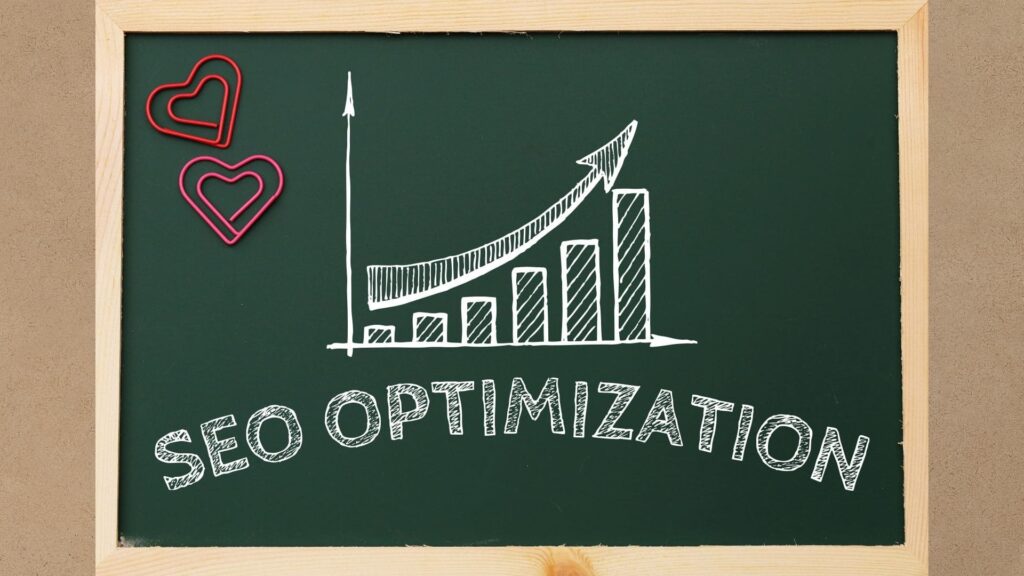
SEO optimization is the systematic process of improving a website to increase its visibility and ranking on search engine results pages (SERPs). At its core, SEO—short for Search Engine Optimization—ensures that your website meets the criteria search engines like Google use to determine which pages best answer a user’s query.
Think of SEO as a digital roadmap that guides search engines through your website, helping them understand what your content is about and how valuable it is to users. Without proper optimization, even the most well-designed websites can remain buried under layers of competition, invisible to potential customers.
How SEO Optimizes Websites for Search Engines
Search engines use complex algorithms to crawl, index, and rank web pages based on hundreds of factors. SEO optimization aligns your site with these ranking signals by:
- Improving content relevance – Ensuring your pages answer search intent with high-quality, well-structured information.
- Enhancing user experience – Making your site fast, mobile-friendly, and easy to navigate.
- Building authority – Earning backlinks and mentions from reputable sources to establish credibility.
The ultimate goal? To position your website as the best possible answer for search queries related to your business, products, or services.
The Three Key Components of SEO
SEO optimization is divided into three main categories, each playing a crucial role in how search engines evaluate and rank your site:
- On-Page SEO – This involves optimizing elements directly on your website, including:
- Keyword usage (strategic placement in titles, headers, and content).
- Meta tags (title tags, meta descriptions that improve click-through rates).
- Content quality (informative, engaging, and updated regularly).
- Internal linking (connecting related pages to improve navigation and SEO value).
- Off-Page SEO – This focuses on external factors that influence your site’s authority, primarily:
- Backlinks (inbound links from high-quality websites signal trust to search engines).
- Brand mentions (unlinked references to your business still contribute to reputation).
- Social signals (shares and engagement on platforms like Facebook, LinkedIn, and Twitter).
- Technical SEO – The behind-the-scenes foundation that ensures search engines can efficiently crawl and index your site. Key aspects include:
- Site speed (faster load times improve rankings and user experience).
- Mobile-friendliness (a must since Google uses mobile-first indexing).
- Secure connections (HTTPS encryption for data safety).
- Structured data markup (helps search engines understand your content better).
Why SEO Optimization Matters for Businesses
Without SEO, your website is like a billboard in the middle of a desert—no one sees it. Proper optimization:
- Increases organic traffic (free, sustainable visits from search engines).
- Boosts conversions (better visibility leads to more leads and sales).
- Builds brand credibility (high rankings signal trustworthiness to users).
- Outperforms competitors (ranking above rivals means capturing their potential customers).
SEO isn’t a one-time task—it’s an ongoing strategy that evolves with search engine algorithms and user behavior. By mastering on-page, off-page, and technical SEO, businesses can ensure long-term growth in an increasingly competitive digital marketplace.
What Is SEO in Marketing and Digital Marketing?
SEO isn’t just a standalone tactic—it’s a core component of digital marketing that works alongside other strategies to drive online success. While paid advertising can deliver quick results, SEO provides sustainable, long-term growth by attracting organic traffic that doesn’t rely on continuous ad spend.
The Role of SEO in Digital Marketing Strategies
In digital marketing, SEO serves as the foundation for visibility. Without it, even the best products, services, or content may struggle to reach their target audience. Here’s how SEO fits into the bigger picture:
- Organic Reach Over Paid Ads – Unlike paid campaigns (SEM), which stop generating traffic once the budget runs out, SEO keeps working to bring in visitors months or even years after optimization.
- Trust & Credibility – Websites ranking at the top of search results are often perceived as more trustworthy by users, improving brand reputation.
- Cost-Effective Growth – While SEO requires time and effort, it delivers a higher ROI over time compared to paid advertising.
How SEO Complements Other Marketing Efforts
SEO doesn’t work in isolation—it enhances and amplifies other digital marketing strategies, creating a cohesive online presence. Here’s how it integrates with key marketing channels:
- SEO & Content Marketing
- SEO ensures your content ranks for relevant keywords, while high-quality content keeps users engaged and reduces bounce rates.
- Blog posts, guides, and product descriptions optimized for SEO attract organic traffic, which can then be nurtured into leads.
- SEO & Social Media Marketing
- While social media itself doesn’t directly impact rankings, shares and engagement can lead to more backlinks and brand mentions, which boost SEO.
- Viral content on social platforms can drive referral traffic to your site, signaling to search engines that your website is valuable.
- SEO & Email Marketing
- Internal linking within email campaigns can improve site navigation and distribute SEO value across key pages.
- High click-through rates from emails to optimized landing pages can improve dwell time, a positive ranking signal.
- SEO & Paid Advertising (SEM)
- Combining SEO with paid search (Google Ads) maximizes visibility—both in organic and paid results.
- Data from paid campaigns (e.g., high-converting keywords) can inform SEO strategies for better organic targeting.
Why SEO is Essential in a Holistic Marketing Strategy
A well-rounded digital marketing plan leverages multiple channels, but SEO acts as the backbone, ensuring long-term discoverability. While social media, email, and paid ads drive immediate actions, SEO builds lasting authority that keeps your brand visible even when other campaigns pause.
For businesses, this means:
✔ Higher brand exposure across multiple touchpoints.
✔ Better audience targeting by aligning SEO with user search intent.
✔ Stronger ROI as organic traffic reduces dependency on paid ads.
In short, SEO isn’t just part of digital marketing—it’s what makes other efforts more effective. By integrating SEO with content, social, email, and paid strategies, businesses create a self-sustaining marketing ecosystem that drives consistent growth.
What Does SEO Mean for Online Visibility?
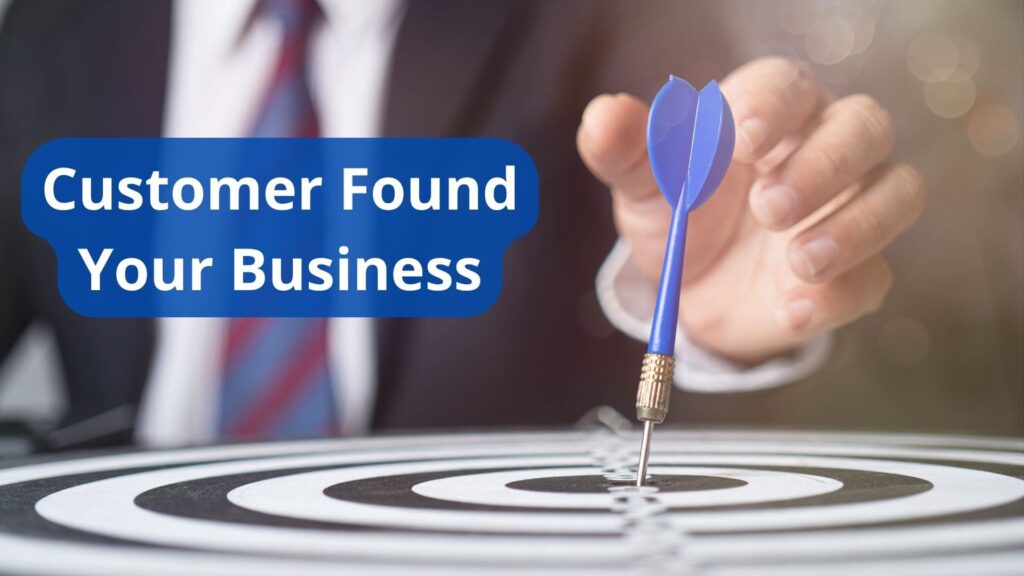
In the digital marketplace, visibility equals opportunity. SEO (Search Engine Optimization) serves as the bridge between your business and potential customers actively searching for what you offer. Without strong SEO, even the best websites can remain invisible in search results—like a shop hidden in a back alley while competitors occupy prime storefronts.
How SEO Improves Search Rankings and Organic Traffic
Search engines like Google act as massive digital librarians, constantly scanning and cataloging websites to deliver the most relevant results for each query. SEO ensures your website speaks the language these search engines understand, making it easier for them to:
- Discover your pages (through proper indexing)
- Interpret your content (via keyword optimization and semantic search)
- Judge your authority (based on backlinks and user engagement)
When executed correctly, SEO leads to:
✅ Higher rankings for targeted keywords
✅ Increased organic traffic from users genuinely interested in your offerings
✅ Sustainable growth without ongoing ad spend
Consider this: a website ranking #1 for a commercial keyword can receive up to 10x more clicks than the #10 result (Advanced Web Ranking). This exponential visibility difference directly translates to more website visitors, leads, and conversions.
The Critical Importance of Appearing on Google’s First Page
The battle for online visibility is won or lost on page one of search results:
- 75% of users never scroll past the first page (Search Engine Journal)
- The #1 organic result enjoys a 28% click-through rate, while #10 gets just 2.5% (Backlinko)
- First-page rankings generate 92% of all website traffic (Advanced Web Ranking)
These statistics reveal a harsh truth: if your business isn’t on page one, you’re essentially invisible to most potential customers.
Why the first page matters so much:
- Perceived Credibility
Users instinctively trust top-ranking websites more, associating higher positions with authority and reliability. - Competitive Advantage
Ranking above competitors means intercepting their potential customers—every position gained is market share taken. - Compounding Returns
Higher rankings lead to more clicks, which can improve engagement metrics, leading to even better rankings (the “SEO flywheel effect”).
For businesses, this means SEO isn’t just about rankings—it’s about claiming your digital real estate in the most valuable online location: Google’s first page. The companies dominating these positions capture the majority of traffic, leads, and revenue in their industry.
The Visibility-Visibility Cycle
Strong SEO creates a self-reinforcing cycle:
- Better optimization → Higher rankings
- Higher rankings → More visibility
- More visibility → Increased traffic
- Increased traffic → More conversions and brand recognition
- Stronger brand → More backlinks and mentions
- More authority → Even better rankings
This is why SEO remains the most cost-effective long-term strategy for online visibility. While paid ads can buy temporary attention, SEO builds permanent visibility assets that continue working for your business year after year.
For any online business, understanding this visibility equation is crucial:
No SEO = No Visibility = Missed Opportunities
By investing in strategic SEO, you’re not just improving rankings—you’re securing your spot in the digital marketplace where customers actively look for solutions you provide.
What Should I Do as a Business Owner?
As a business owner, you don’t need to be an SEO expert—but you do need a clear action plan. Here’s how to start implementing SEO for real, measurable growth:
1. Keyword Research & Content Creation
- Find what your customers search for using tools like Google Keyword Planner, Ahrefs, or SEMrush.
- Create high-value content that answers their questions (blog posts, product pages, guides).
- Optimize for search intent—Google rewards content that best matches user needs.
2. Technical SEO Audits
- Fix crawl errors (broken links, slow pages).
- Ensure mobile-friendliness (over 60% of searches happen on phones).
- Improve site speed (pages loading slower than 3 seconds lose 53% of visitors).
3. Monitor Performance
- Track rankings & traffic with Google Analytics and Search Console.
- Analyze user behavior (bounce rate, time on page) to refine your strategy.
- Adjust based on data—SEO is an ongoing process, not a one-time fix.
Conclusion: Your Next Step to Online Growth
SEO isn’t just a marketing tactic—it’s the foundation of your digital success. Businesses that rank higher:
✔ Get more visibility (93% of clicks go to Page 1)
✔ Earn more trust (top spots = instant credibility)
✔ Grow sustainably (organic traffic keeps working for you)
But here’s the reality: SEO takes expertise and time—two things busy business owners often lack.
That’s where Rhasko Digital comes in.
As your dedicated SEO partner, we:
✅ Handle the complex work (keyword strategy, technical fixes, content optimization)
✅ Deliver transparent results (regular reports, clear KPIs)
✅ Focus on what matters—getting you more traffic, leads, and sales
Don’t let competitors outrank you while you wait.
📩 Contact Rhasko Digital today for a free SEO audit—and let’s start growing your business where it matters most: on Google’s first page.
Send Email to info@rhaskodigital.com