
What You’ll Gain from This Guide
SEO is not just about rankings or traffic numbers, but about building a sustainable system that attracts high intent visitors, strengthens credibility, and reduces long-term marketing dependency on paid ads.
In this guide, you will learn:
- Why organic search visibility directly influences buying decisions
- How SEO helps attract high intent visitors who are already searching for your solutions
- The role of SEO in building long-term trust for business growth
- How strong organic presence can reduce paid ads dependency over time
- Why SEO helps small businesses compete with bigger brands without matching their budgets
- How search visibility supports every other marketing channel you use
- What strategic SEO actually looks like beyond keywords and backlinks
This article is structured to give you a clear, practical understanding of the real reasons your business needs SEO, not theory or inflated claims. If you read through to the end, you will see how SEO functions as a growth framework rather than a marketing tactic.
1. People Are Already Searching for What You Offer

Search demand already exists, and SEO ensures your business appears when potential customers are actively looking for solutions like yours.
When users enter queries into a search engine, they reveal intent. They may be comparing services, researching options, or preparing to make a purchase. These are high intent visitors.
They are not being interrupted by an ad. They are seeking answers. Showing up at this stage places your business inside a real decision-making process.
One of the clearest reasons your business needs SEO is visibility at the moment of need. If your website does not appear, competitors capture that demand. Organic search results are often perceived as more credible than promotional placements, which helps build trust for business over time.
SEO aligns your content with the language your audience already uses. It connects your expertise to relevant queries and supports structured, clear information. This improves discoverability and relevance.
It also explains why SEO helps small businesses compete with bigger brands. Search engines prioritize relevance and quality, not company size. A focused page that answers a specific query can outrank a larger competitor with a larger budget.
Key Takeaways
- Search traffic reflects real demand
- High intent visitors are closer to action
- Visibility builds credibility and trust
- SEO helps small businesses compete with bigger brands.
2. SEO Builds Long Term, Sustainable Traffic
SEO builds a steady stream of qualified traffic that continues long after the initial work is completed.
Unlike paid campaigns that stop the moment spending stops, organic visibility can generate high intent visitors on a consistent basis. This is one of the practical reasons your business needs SEO. It converts your website into a long term acquisition asset rather than a recurring expense.
When your pages rank for relevant queries, they attract users who are already researching, comparing, or preparing to act.
Over time, as more content is optimized and structured properly, your site strengthens its topical authority. This improves overall discoverability and increases the likelihood of ranking for related terms.
Sustainable traffic also improves financial efficiency.
As organic performance grows, you can reduce paid ads reliance without sacrificing visibility. Paid media becomes a strategic supplement instead of the foundation of your growth. This balance supports healthier marketing economics and reduces volatility.
SEO requires planning, consistency, and technical clarity, but its value compounds. Each optimized page contributes to a broader ecosystem that supports future rankings.
In strategic terms, SEO establishes a durable channel that aligns intent, visibility, and long term business stability.
3. Organic Traffic Compounds Over Time
Organic traffic grows cumulatively, meaning each optimized page strengthens future visibility rather than starting from zero.
Unlike short term campaigns that reset when budgets change, SEO performance builds momentum.
When a page ranks for relevant queries, it consistently attracts high intent visitors who are actively researching or comparing solutions. As more pages are added and properly structured, your site expands its topical coverage. This broader relevance increases the likelihood of ranking for related and long tail searches.
Compounding occurs because search engines evaluate overall site authority, internal linking structure, and content depth. A well organized website that consistently answers user intent sends strong quality signals.
Over time, new content can rank faster because it is supported by an established foundation.
This compounding effect is one of the core reasons your business needs SEO. Instead of treating marketing as a recurring cost, you are building an asset that increases in value.
Each improvement strengthens discoverability across multiple queries, not just a single keyword.
As organic visibility expands, dependency on paid channels can decrease. Traffic becomes more stable, acquisition costs become more predictable, and growth is supported by accumulated credibility rather than continuous spending.
4. SEO Builds Trust Before the First Click
SEO builds trust before a user even visits your website by shaping how your brand appears in search results.
When potential customers search for a product or service, they quickly scan page titles, meta descriptions, URLs, and overall search presence.
In a matter of seconds, they form impressions. Clear positioning, relevant messaging, and consistent visibility signal professionalism and legitimacy. This perception happens before the first click.
Appearing organically for multiple related queries reinforces credibility. If users repeatedly see your brand associated with specific topics, they begin to connect your name with expertise.
This is one of the overlooked reasons your business needs SEO.
It influences how your brand is evaluated at the earliest stage of the buying journey.
Structured content also contributes to trust. Informative titles, precise descriptions, and logically organized pages demonstrate clarity. Search engines reflect that structure in how results are displayed. A well optimized presence suggests operational competence and attention to detail.
Trust built at the search results level lowers resistance once users land on your site. High intent visitors arrive with an initial sense of familiarity rather than skepticism. Over time, this early credibility helps build trust for business growth and supports stronger conversion performance across channels.
5. SEO Reduces Dependency on Paid Advertising
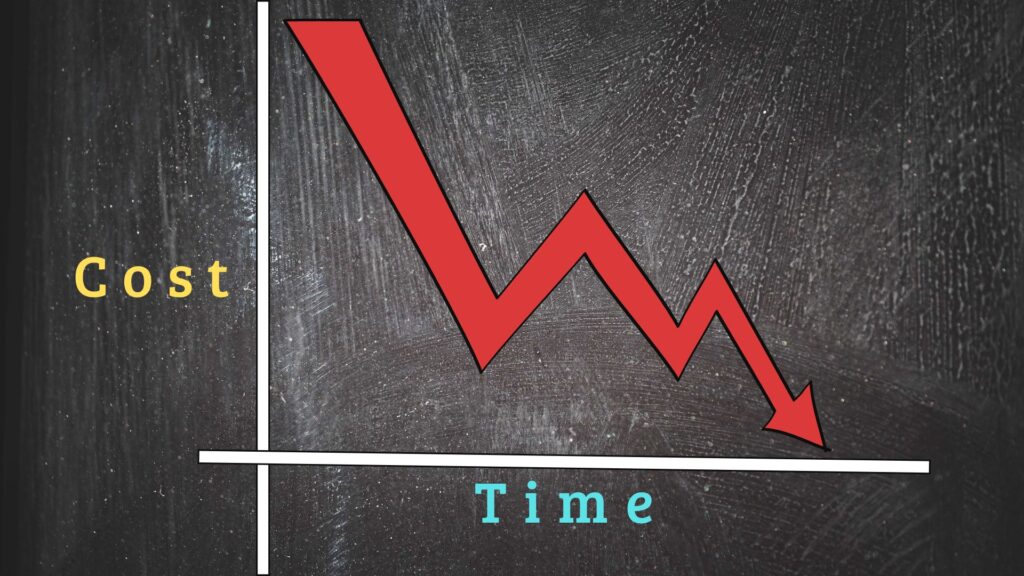
SEO reduces long term marketing costs by shifting your acquisition model from rented visibility to owned digital assets.
Paid advertising is effective for immediate exposure. It can generate traffic quickly and target specific audiences with precision. However, it operates on a rental model. You pay for every click.
When the budget stops, traffic stops. This creates volatility and long term dependency on continuous spending.
One of the core reasons your business needs SEO is financial control. Organic visibility does not disappear when you pause spending. Once pages rank, they continue attracting high intent visitors without incremental cost per click. Over time, this difference materially affects profitability.
Ads Rent Attention, SEO Builds Equity
Paid ads buy temporary placement. SEO builds lasting presence.
Every optimized page becomes a digital asset that can generate traffic repeatedly. Instead of paying for each visit, you invest in content, structure, and authority that compound in value. This shifts marketing from an operating expense toward asset development.
While ads provide speed, SEO provides durability. A ranked page can deliver consistent exposure across months or years, even in competitive markets. That long term equity reduces pressure to constantly fund paid campaigns.
Lower Long Term Cost Per Acquisition
As organic traffic grows, cost per acquisition typically declines because incremental clicks do not require incremental ad spend.
With paid advertising, competition can increase bidding costs and compress margins. SEO performance is not influenced by auction pricing. It depends on relevance, structure, and authority. Over time, this creates more predictable acquisition economics.
SEO does not eliminate paid media. It makes it optional rather than mandatory. That shift improves margin stability and supports sustainable growth.
Key Takeaways
- Paid advertising delivers speed, but SEO builds long term equity and durable visibility
- Organic rankings continue attracting high intent visitors without ongoing cost per click
- Over time, SEO lowers long term cost per acquisition compared to auction based ad models
- Strong organic presence reduces dependency on paid ads and improves financial stability
6. SEO Helps Small Businesses Compete with Bigger Brands
SEO allows smaller companies to compete through precision and relevance rather than financial scale.
Search results are not automatically won by the biggest brand. Unlike paid advertising, where higher budgets often secure greater visibility, organic search rankings are determined by how well a page answers a specific query.
This is one of the strategic reasons your business needs SEO. It shifts competition away from spending power and toward execution quality.
Search rewards relevance, not just budget. Algorithms evaluate topical alignment, content depth, structure, and clarity.
A focused page that directly addresses a defined problem can outperform a broad, generic page from a larger competitor.
Specific content signals expertise. Clear answers signal usefulness. These factors influence rankings more than company size.
Niche queries further level the playing field. Long tail keywords reflect narrow, high intent searches. Users typing detailed queries are often closer to making decisions.
While larger brands may dominate broad terms, they frequently overlook specialized segments. Smaller businesses can capture these opportunities by targeting precise search intent.
This creates leverage. Instead of competing head to head on high volume keywords, you build visibility across tightly defined queries with strong conversion potential. Over time, this structured approach strengthens authority within your niche.
SEO helps small businesses compete with bigger brands by rewarding relevance, depth, and alignment with user intent rather than advertising budget.
Key Takeaways
- Organic search rankings prioritize relevance and content quality, not company size
- Targeting niche and long tail queries allows smaller businesses to capture high intent traffic
- SEO creates competitive leverage by shifting focus from budget to strategic execution
7. SEO Improves Website Structure and User Experience
SEO improves website structure by enforcing clarity, logical organization, and easier access to information.
Effective optimization requires more than inserting keywords. It demands clean navigation, defined content hierarchy, and structured internal linking.
SEO forces clear navigation and content hierarchy because search engines evaluate how information is organized.
Proper heading usage, contextual internal links, and logical page grouping create a coherent information flow. This structure helps search engines understand your site and helps users move through it efficiently.
When content is arranged around clear topics rather than scattered pages, visitors can quickly identify what matters to them. Information flows in a predictable sequence. Questions are answered without friction. This improves engagement and reduces confusion.
Better user experience benefits both users and search engines. UX is not limited to visual design. It includes load speed, readability, mobile responsiveness, and how easily visitors can find answers. A well optimized site removes obstacles between intent and solution.
This is another practical reason your business needs SEO. The process of optimization strengthens the operational quality of your website. Clear structure supports discoverability, while better usability supports conversion.
Over time, improvements in navigation and clarity create measurable business impact beyond rankings alone.
8. SEO Supports Every Other Marketing Channel

SEO strengthens overall marketing performance by improving how your content, traffic, and conversion assets work across channels.
SEO does not operate in isolation. It influences paid advertising, social media, email marketing, and even sales enablement.
When your website is structured, optimized, and aligned with user intent, every incoming visitor benefits from clearer messaging and stronger relevance. This creates a multiplier effect. Instead of each channel working independently, they reinforce one another.
Well optimized landing pages improve paid campaign performance because they align with search intent and provide structured information. Even when traffic comes from ads or social platforms, users still evaluate credibility the same way.
Clear titles, focused content, and logical hierarchy build early trust before deeper engagement occurs. This makes paid and social campaigns more effective because the destination experience supports conversion rather than weakening it.
One Content Asset, Multiple Uses
SEO driven content can be repurposed across channels without losing strategic focus. A well researched article can support social posts, email sequences, sales materials, and retargeting campaigns. Instead of creating disconnected assets, you build around a central piece of structured content.
This improves content ROI. Each asset performs multiple functions while strengthening organic visibility.
Over time, SEO becomes the foundation that supports efficiency across your entire marketing system rather than serving as a standalone tactic.
9. SEO Reveals What Your Customers Actually Care About
SEO provides direct insight into customer priorities by analyzing the language and queries they use in search.
Keywords reflect real customer language. They show how people describe their problems, what questions they ask, and which concerns appear repeatedly.
Instead of relying on internal terminology, SEO research exposes the exact phrases your audience uses. These queries often reveal explicit pain points, comparison criteria, and purchase intent. This clarity helps align messaging with actual demand.
SEO also reduces guesswork. Search data validates whether topics generate interest before you invest heavily in campaigns or product development. If certain themes consistently attract search volume and engagement, they indicate sustained relevance. If interest is low, assumptions can be reconsidered early.
This insight extends beyond content planning. It can inform service positioning, pricing communication, feature prioritization, and sales scripts. Understanding how customers search improves how you speak to them across every touchpoint.
One of the practical reasons your business needs SEO is strategic visibility into market behavior. Search patterns provide ongoing feedback about evolving needs. When interpreted correctly, SEO data becomes a decision support system rather than just a traffic tool.
Key Takeaways
- Keywords reflect real customer language and explicit pain points
- Search data reduces internal assumptions and guesswork
- SEO insights can validate content, messaging, and product direction
10. Your Competitors Are Training Google Without You
When your competitors consistently publish optimized content, they strengthen their authority signals while your absence weakens your visibility.
Search engines learn from patterns. When a website regularly covers specific topics, earns engagement, and satisfies user intent, it becomes associated with that subject area. Over time, algorithms connect that brand with expertise.
If your competitors invest in SEO and you do not, they accumulate topical authority while your site remains less relevant in comparison.
This dynamic has long term consequences. The more content and internal structure they build, the easier it becomes for them to rank for related queries. New pages gain traction faster because they are supported by an established foundation.
Meanwhile, your business may rely on paid visibility or word of mouth, but organic discoverability continues shifting toward those who invest consistently.
One of the overlooked reasons your business needs SEO is defensive positioning. Participating in search is not only about growth. It is about preventing competitors from owning the narrative in your category.
11. SEO Builds Long Term Digital Assets, Not Temporary Exposure
SEO creates durable digital assets that continue delivering value beyond short term campaigns.
Unlike promotional campaigns that end when budgets or timelines expire, optimized content remains active.
A well structured article, service page, or resource hub can attract high intent visitors long after publication. This shifts your marketing model from temporary exposure to owned, compounding visibility.
Content Is a Business Asset, Not a Campaign
Campaigns are time bound. Content built for SEO is persistent.
When you invest in structured, relevant content, you create an asset that belongs to your business.
It can be updated, expanded, and refined as your offerings evolve. Instead of starting from zero each quarter, you improve what already exists. This ownership model increases efficiency and strengthens authority over time.
Each optimized page contributes to your digital footprint. As rankings stabilize, they generate recurring traffic without incremental media spend.
That durability transforms content from a promotional tool into strategic infrastructure.
SEO Aligns With Sustainable Growth
SEO supports stable growth because it rewards consistency rather than shortcuts.
There are no auction spikes or temporary boosts tied to budget increases. Performance improves through relevance, structure, and authority. This aligns with sustainable business development. Instead of relying on short term tactics, you build a foundation that supports long term expansion.
Key Takeaways
- SEO content functions as a long term business asset
- Optimized pages can be updated and improved over time
- Organic visibility supports sustainable, stable growth
So, How Do You Get Started With SEO?
Getting started with SEO requires a structured, step by step approach focused on user intent and long term consistency.
Step 1: Understand Search Intent
Identify what your audience is searching for and the problems behind those queries. Group keywords by intent such as informational, comparative, or transactional. This prevents random content creation and ensures alignment with real demand.
Step 2: Audit Your Current Website
Review your site structure, page speed, mobile usability, and content clarity. Remove duplication, improve navigation, and ensure each page has a defined purpose.
Step 3: Build Topic Focus
Create content around specific themes rather than isolated keywords. Develop clear pillar pages supported by related subtopics. This strengthens relevance and authority.
Step 4: Optimize for Users First
Use clear headings, concise explanations, and logical internal links. Focus on answering questions directly instead of over optimizing for algorithms.
Step 5: Commit to Consistency
Publish, refine, and update regularly. SEO rewards steady improvement more than aggressive short term activity.
SEO is not about speed. It is about building structured visibility that compounds over time.
Final Thoughts
SEO is not simply about rankings or traffic volume. It is about being present at the exact moment your audience is searching for answers.
Search visibility represents relevance. When your business consistently appears in response to real questions, comparisons, and purchase intent, it becomes part of the decision process. That presence builds familiarity and credibility long before direct contact happens.
The real value of SEO lies in alignment. It connects your expertise with existing demand. It strengthens your digital foundation. It supports sustainable growth without relying entirely on paid exposure.
Ranking is a metric. Visibility at the right moment is the objective.
When approached strategically, SEO becomes less about chasing algorithms and more about serving users clearly and consistently. Over time, that clarity compounds into authority, stability, and long term business resilience.